
Sleep Aid while Breastfeeding
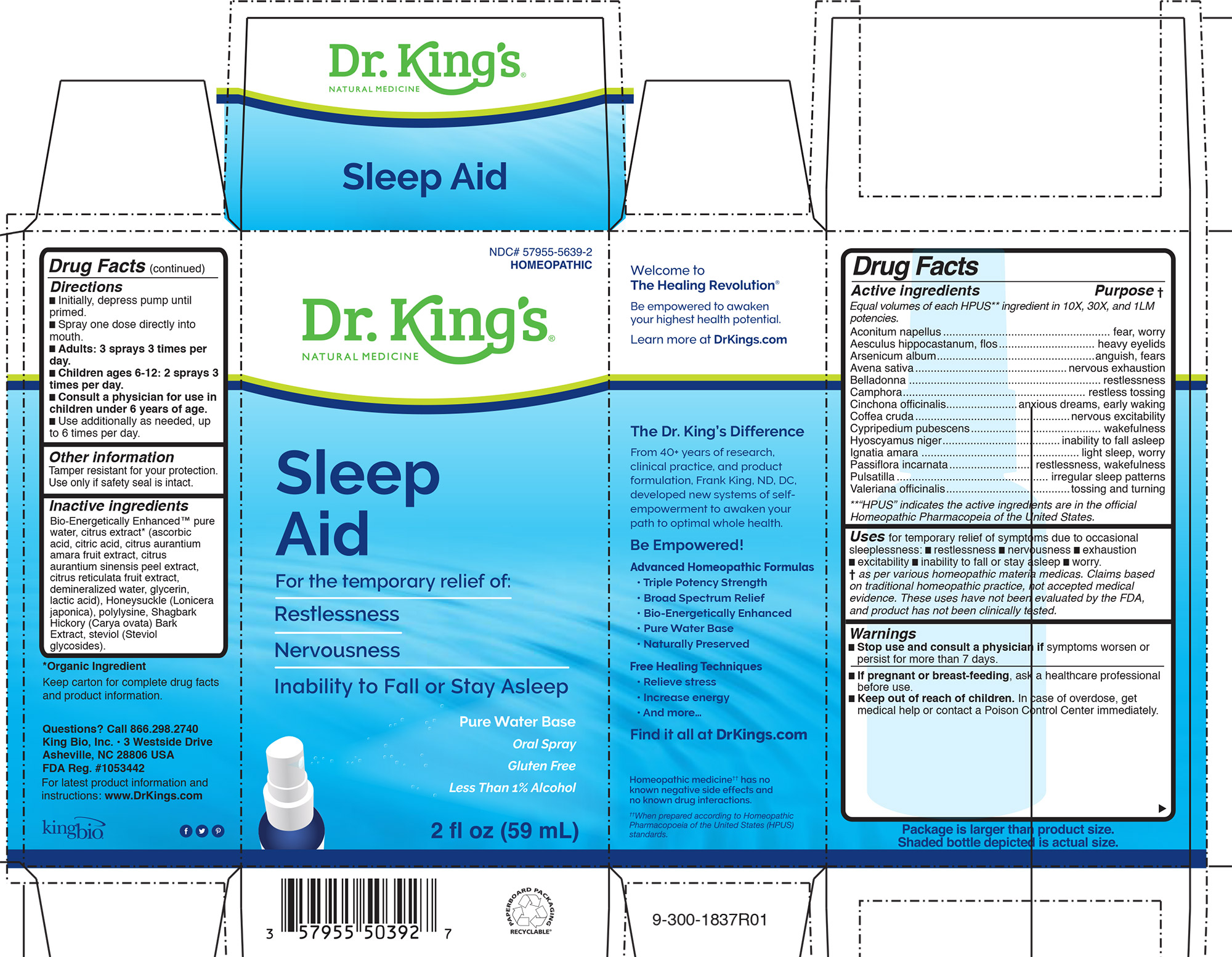
What is Sleep Aid used for?
Purpose: HPUS active ingredients Purpose Aconitum napellus...................................fear, worry Arsenicum album....................................anguish, fears Avena sativa..........................................nervous exhaustion Belladonna.............................................restlessness Camphora.............................................restless tossing Cinchona officinalis.................................anxious dreams, early waking Coffea cruda.........................................nervous excitability Cypripedium pubescens.........................wakefulness Hyoscyamus niger.................................inability to fall asleep Ignatia amara.........................................light sleep, worry Passiflora incarnata................................restlessness, wakefulness Pulsatilla................................................irregular sleep patterns Valeriana officinalis................................tossing and turning HPUS flower remedy Aesculus hippocastanum, flos................calming
Is Sleep Aid usage safe while breastfeeding? If a lactating mother is using it can there be any effect on growth or development of infant?

Sleep Aid Breastfeeding Analsys
Aconitum napellus while Breastfeeding
SafeThe flowers and roots and leaves of this herbaceous plant are used. It contains sesquiterpene lactones, essential oil, flavonoids and traces of pyrrolizidine alkaloids. Topical use on whole skin. Indications in traditional medicine without evidence of its effectiveness: topical anti-inflammatory in bruises, sprains and localized muscle pain (EMA 2014). Do not apply to damaged skin It is very toxic orally (Anderson 2017), having described gastroenteritis, cardiac arrhythmia, neurological problems and death (WHO 2007 p.77, nal 2001) in people who took it and a case of severe hemolytic anemia in 9-day-old newborn whose mother was taking arnica infusion (Miller 2009). At the date of the last update, we did not find published data on its excretion in breast milk. The small dose and poor plasma absorption of most topical dermatological preparations make it unlikely that a significant amount will pass into breast milk. Do not apply on the breast so that the infant does not ingest it, or in large areas or for prolonged periods to avoid systemic absorption. Hands should be washed after applying arnica to avoid possible contact with the infants mouth.
Arsenic trioxide while Breastfeeding
DangerousUsed in the treatment of promyelocitic leukemia in adults.
Avena sativa flowering top while Breastfeeding
Safe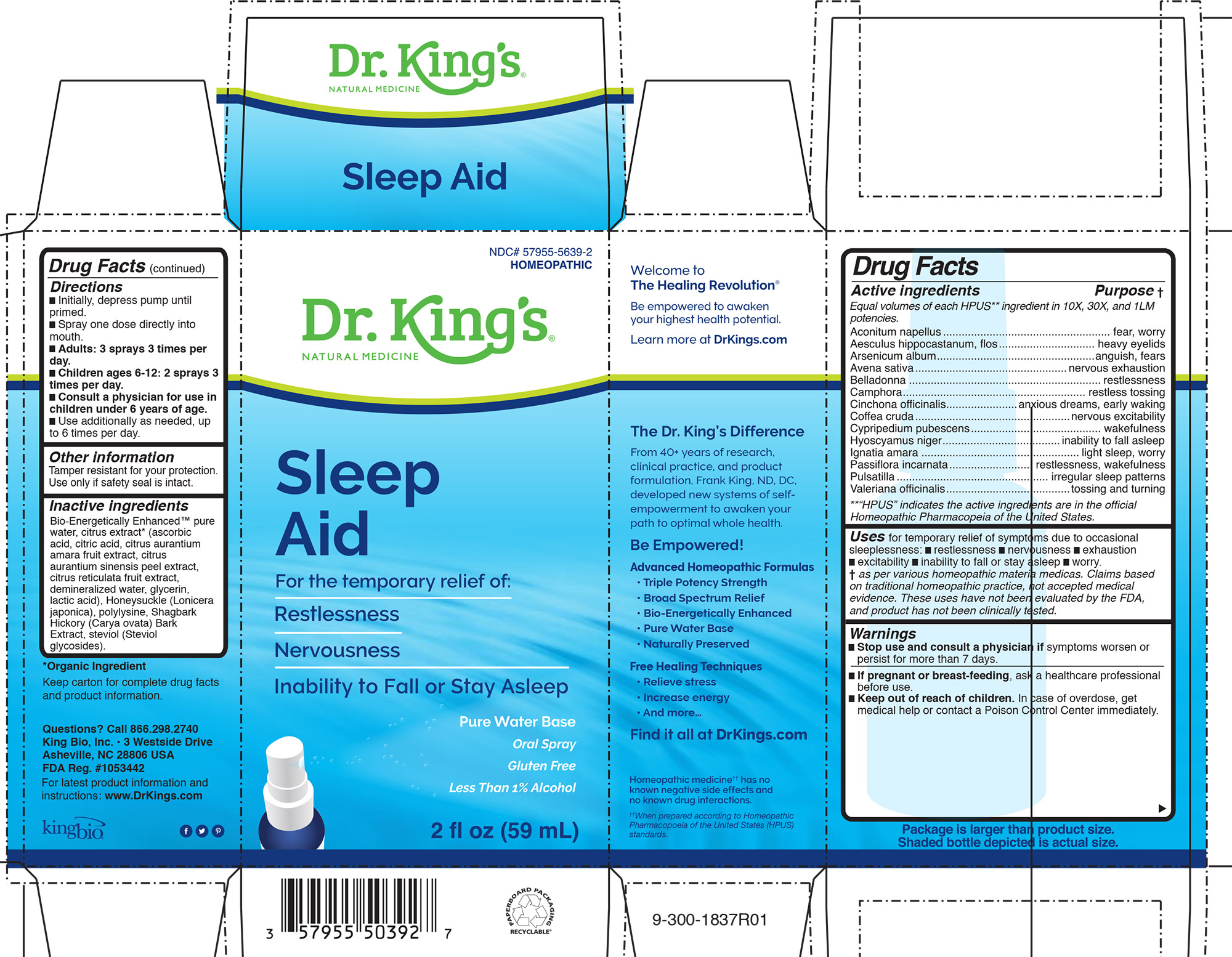
The seeds of this leguminous plant are used. Content: carbohydrates, proteins, saponins, vitamins, minerals . Assigned properties: appetite stimulant, lowering of lipemia and glycemic (Gong 2016).Indications according to Commission E of the German Ministry of Health: Anorexia, Atopic Dermatitis. Widely used as a galactogogue in many cultures around the world (Ayers 2000, Winterfeld 2012, Sim 2013, The Royal Women's .. 2013, Bazzano 2016). Case-control studies looking for evidence on the increment of milk production associated to the use of fenugreek are few (Turkyılmaz 2011, Ghasemi 2015), along with a variety of methodological deficiencies. Other studies have failed to find such an effect with the use of fenugreek (Damanik 2006). Studies with an appropriate design are needed to provide high quality evidence to make clinical recommendations on its use (Forinash 2012, Zapantis 2012, Committee LM AEP 2012, Mortel 2013, Bazzano 2016) A higher antioxidant effect in the breastmilk of women who have consumed mixed infusions containing this or other herbs has not been shown (Kavurt 2013). Given the wide spread use and lack of toxicity of this herb, a moderate consumption would be compatible with breastfeeding, yet high doses may produce hypoglycemia (EMA 2011, Gong 2016) and, because of the odor appearing in the urine of the infant, a lab test may be required to make a differential diagnosis with maple syrup disease of the newborn (Sewell 1999, Korman 2001). Avoid the use of a galactogogue without a sanitary control. Best galactagogue results are achieved through on-demand breastfeeding along with an adequate technique in a mother who is able to maintain self-confidence (ABM 2011, Mannion 2012). Precautions when taking plant preparations: 1. Ensure that they are from a reliable source: poisoning has occurred due to confusing one plant with another with toxic properties, as well as poisoning from heavy metals extracted from the ground and food poisoning due to contamination with bacteria or fungi. 2. Do not take in large amounts; follow recommendations from professional experts in phytotherapy. "Natural" products are not always good in any quantity: plants contain active substances from which much of our traditional pharmacopoeia has been obtained and can result in poisoning or act as endocrine disruptors if taken in excessive amounts or time periods.
Atropa belladonna while Breastfeeding
UnsafeCAS Number: 8007-93-0
In herbal medicine the leaves of this plant that contains numerous alkaloids are used: l-hyoscyamine and atropine, scopolamine or hyoscine and, all of them potentially high toxic.Traditionally used with poor clinical evidence based on trials as anti-asthmatic, for common colds and intestinal spasms. At latest update no published data on excretion into breast milk were found. With anticholinergic and antimuscarinic properties that may reduce milk production: if necessary take as low dose as possible and avoid long-term treatment if decreasing milk production is observed.Serious side effects (tachycardia, thirst, fever, mydriasis, seizures, coma), especially in infants and newborns (Caksen 2003 Laffargue 2011, Glatstein 2014, Rodríguez-González 2014).There have been cases of gangrene when applied to the chest (Wani 2011). Belladonna may be included in association with other “over the counter" medications of doubtful effectiveness or safety. Overall drug associations are not recommended. Cautions when taking herbal teas:1. Make sure it is obtained from a reliable source: reportedly, poisonings have occurred due to confusion after using another plant with toxic effects (Hsu 1995), some others contain heavy metals that may cause poisoning and others may cause food poisoning due to contamination with bacteria or fungi.2. Do not take it excessively. "Natural" products are not always good in any amount: plants contain active substances from which are made many compounds of our traditional pharmacopoeia that can cause poisoning if consumed in exaggerated quantities or for long periods.
Camphor (natural) while Breastfeeding
UnsafeCAS Number: 76-22-2
Substance which can be extracted under distillation from the Camphor tree bark. Nowadays it is synthesized from the Turpentine. Used with creams and lotions as local anti-inflammatory agent. There is no proof of effectiveness as decongestant or expectorant when used in inhaled preparations, but as a toxic agent. Camphor is a highly lipophilic substance which is well absorbed by whatever via of administration (skin, inhalation, mouth) that crosses easily the cell membrane. Pharmacokinetic data support the likelihood of excretion into breast milk in a significant amount. Camphor has been shown to be toxic at low dose on infants in whom it may cause headache, vomiting, seizures and coma. It should never be administered by mouth. It is not appropriate its use during breastfeeding, and, in whatever case, it should not be applied on the mother's breast, since severe intoxications be occurred in infants after use of small ingested amounts. Be aware of not using it in the nostrils.
Cinchona officinalis bark while Breastfeeding
SafeCinchona alkaloid used in the prophylaxis and treatment of malaria (Pérez 2009). Administered orally or intravenously. It is excreted in breast milk in clinically insignificant amounts (Mathew 2004, Phillips 1986, Terwilliger 1934), much lower than the dose used in newborns and infants (Fulton 1992).No problems have been observed in infants whose mothers were taking it (FDA 2008, Terwilliger 1934). Its use is authorized in infants and children.Avoid in cases of glucose-6-phosphate dehydrogenase deficiency (Mathew 2004, WHO/UNICEF 2002, Fulton 1992). American Academy of Pediatrics: medication usually compatible with breastfeeding (AAP 2001). WHO list of essential medicines: compatible with breastfeeding (WHO / UNICEF, 2002).
Arabica coffee bean while Breastfeeding
Low RiskCAS Number: 84650-00-0
Infant intake after usual daily consumption of the mother is lower than usual recommended dose for neonatal apnea treatment. Elimination-time period may last from few hours in adults, to 3-4 days in the newborn infant. At higher dose (more than 300 mg per day) caffeine may induce irritability, tremor and insomnia in the infant. However, some infants may develop irritability at a lower dose; in those cases the mother should decide appropriate coffee intake. Some studies have failed to show harmful effect among infants whose mothers were strong coffee consumers even during pregnancy. Daily intake as high as 1 liter or more has been associated to anemia and iron deficiency in mothers and breastfed infants. Also, has been related to the Raynaud's phenomenon in the nipple of nursing women. Mean Caffeine content: 1 coffee cup: 100 mg, 1 black tea cup: 80 mg, 1 green tea cup: 50 mg, 1 liter of cola & soda and energizers beverages 100 to 340 mg. See also Caffeine as medication. The American Academy of Pediatrics rates it compatible with breastfeeding.
Strychnos ignatii seed while Breastfeeding
DangerousCAS Number: 8046-97-7
Dried seed of this plant has been used. It contains brucine and strychnine. It is highly toxic and easily lethal.
Passiflora incarnata flower while Breastfeeding
Low RiskAt latest update, relevant information on excretion into breast milk was not found. Aerial summits of this climbing plant are used. Constituents are: flavonoids, pyranics, heterosides, alkaloids. Attributed effects with only weak scientific evidence on effectiveness are: sedative, hypnotic, anti-spasmodic. Because of paucity of data on toxicity, recommendations done are to use it at low doses for short term periods. The European Medicines Agency does not authorize its use for children younger than 12 years old , pregnancy and breastfeeding. When used while breastfeeding, it is recommended to use it at low dose for a short-term period. Following-up the infant for sedation is recommended.
Valerian while Breastfeeding
Low RiskCAS Number: 8057-49-6
At last update significant data on breastfeeding were not found. A commonly used herb in many cultures and countries, even during pregnancy and breastfeeding with very few reported side-effects. Whenever not abused it has a low toxicity. Moderate use is considered to be compatible with breastfeeding, however because of the possibility of sedative effect in infants should better be avoided in cases of prematurity and in the neonatal period. Be aware of sedative effects in the infant. Roots, rhizomes and stolons of the plant are used. It contains iridoids, valepotriates, steroids, essential oils, GABA and tannins. Unproven beneficial effects in adults: sedative, hypnotic, anti-spasmodic. Indication after Commission E of German Ministry of Health: insomnia, nervousness, anxiety. Maximal daily dose: 9 g (2 g of dried extract)
Sleep Aid Breastfeeding Analsys - 2
Arsenic trioxide while Breastfeeding
CAS Number: 1327-53-3
Most sources consider breastfeeding to be contraindicated during maternal antineoplastic drug therapy. It might be possible to breastfeed safely during intermittent therapy with an appropriate period of breastfeeding abstinence; the manufacturer recommends an abstinence period of 1 week after the last dose. Chemotherapy may adversely affect the normal microbiome and chemical makeup of breastmilk.[1] Women who receive chemotherapy during pregnancy are more likely to have difficulty nursing their infant.[2]
Atropa belladonna while Breastfeeding
CAS Number: 8007-93-0
Belladonna (Atropa belladonna) contains anticholinergic alkaloids such as atropine and scopolamine. Belladonna has been used in the past for headache, airway obstruction, and irritable bowel syndrome among others, but its use has been supplanted by more specific and less toxic compounds. Long-term use of belladonna might reduce milk production by reducing serum prolactin.[1] Application of belladonna paste to the nipple to reduce milk secretion during lactation is an extremely old use.[2] However, it is still used this way in rural India for treating breast abscesses and may have contributed to cases of breast gangrene.[3] Because of the narrow therapeutic index and variable potency of plant-based (i.e., nonstandardized) belladonna, it should be avoided orally and topically during lactation. Homeopathic products are not likely to interfere with breastfeeding or cause toxicity. Dietary supplements do not require extensive pre-marketing approval from the U.S. Food and Drug Administration. Manufacturers are responsible to ensure the safety, but do not need to the safety and effectiveness of dietary supplements before they are marketed. Dietary supplements may contain multiple ingredients, and differences are often found between labeled and actual ingredients or their amounts. A manufacturer may contract with an independent organization to verify the quality of a product or its ingredients, but that does certify the safety or effectiveness of a product. Because of the above issues, clinical testing results on one product may not be applicable to other products. More detailed information #about dietary supplements# is available elsewhere on the LactMed Web site.
Cinchona officinalis bark while Breastfeeding
CAS Number: 130-95-0
Because of the low levels of quinine in breastmilk, amounts ingested by the infant are small and would not be expected to cause any adverse effects in breastfed infants. The dosage in milk is far below those required to treat an infant for malaria.[1] However, quinine should not be used in mothers with an infant who is glucose-6-phosphate dehydrogenase (G6PD) deficient.[2] Even the relatively small amounts of quinine in tonic water ingested by the mother have caused hemolysis in G6PD-deficient infants.
Pulsatilla vulgaris while Breastfeeding
Pulsatilla (Anemone pulsatilla and other related species) contains ranunculin, protoanemonin, and anemonin as well as triterpene saponins and flavonoids. The fresh plant is extremely irritating to the skin, gastrointestinal tract and mucous membranes. Allergic reactions have been reported to pulsatilla. Homeopathic preparations of pulsatilla are reportedly used for sore nipples and mastitis,[1] to reduce an overabundant milk supply,[2] or to increase milk supply.[3] Galactogogues should never replace evaluation and counseling on modifiable factors that affect milk production.[4] No scientifically valid clinical trials support either of these uses. Because of a lack of information, other agents may be preferred in nursing mothers. Dietary supplements do not require extensive pre-marketing approval from the U.S. Food and Drug Administration. Manufacturers are responsible to ensure the safety, but do not need to the safety and effectiveness of dietary supplements before they are marketed. Dietary supplements may contain multiple ingredients, and differences are often found between labeled and actual ingredients or their amounts. A manufacturer may contract with an independent organization to verify the quality of a product or its ingredients, but that does certify the safety or effectiveness of a product. Because of the above issues, clinical testing results on one product may not be applicable to other products. More detailed
Valerian while Breastfeeding
CAS Number: 8008-88-6; 8057-49-6
Valerian (Valeriana officinalis) root contains mono- and sesquiterpenes, and iridoid triesters (valepotriates). Preparations are sometimes standardized on valerenic acid content. Valerian has no specific uses in nursing mothers, but is most commonly used to treat anxiety and sleep disturbances, and occasionally for self-treatment of postpartum blues or depression.[1][2] No data exist on the safety and efficacy of valerian in nursing mothers or infants. In general, valerian is well tolerated, with side effects such as dizziness, hangover or headache reported occasionally. Valerian is "generally recognized as safe" (GRAS) for use in food by the U.S. Food and Drug Administration. Valerian is often not recommended during lactation because of the theoretical concerns over its valepotriates and baldrinals which have been shown to be cytotoxic and mutagenic in vitro. Because there is no published experience with valerian during breastfeeding, an alternate therapy may be preferred, especially while nursing a newborn or preterm infant. Dietary supplements do not require extensive pre-marketing approval from the U.S. Food and Drug Administration. Manufacturers are responsible to ensure the safety, but do not need to the safety and effectiveness of dietary supplements before they are marketed. Dietary supplements may contain multiple ingredients, and differences are often found between labeled and actual ingredients or their amounts. A manufacturer may contract with an independent organization to verify the quality of a product or its ingredients, but that does certify the safety or effectiveness of a product. Because of the above issues, clinical testing results on one product may not be applicable to other products. More detailed information #about dietary supplements# is available elsewhere on the LactMed Web site.
Sleep Aid Breastfeeding Analsys - 3
Pulsatilla vulgaris and Breastfeeding
Low RiskNote: Mostly safe in Homeopathic preparations
I am nursing mother and I have already used Sleep Aid, what should I do?
Due to high dilution of ingredients in homeopathic medicines they do not create much problem for baby. Sleep Aid is a homeopathic medicine and if your baby does not have any abnormal symptoms then there is nothing to worry about. Be careful with too much usage of ethanol based homeopathic medicines during breastfeeding.
I am nursing mother and my doctor has suggested me to use Sleep Aid, is it safe?
Homeopathic medicines are usually safe in breastfeeding and if Sleep Aid has been recommended by doctor then there should be no concern about its usage in breastfeeding.
If I am using Sleep Aid, will my baby need extra monitoring?
Not exactly.
Who can I talk to if I have questions about usage of Sleep Aid in breastfeeding?
US
National Womens Health and Breastfeeding Helpline: 800-994-9662 (TDD 888-220-5446) 9 a.m. and 6 p.m. ET, Monday through Friday
UK
National Breastfeeding Helpline: 0300-100-0212 9.30am to 9.30pm, daily
Association of Breastfeeding Mothers: 0300-330-5453
La Leche League: 0345-120-2918
The Breastfeeding Network supporter line in Bengali and Sylheti: 0300-456-2421
National Childbirth Trust (NCT): 0300-330-0700
Australia
National Breastfeeding Helpline: 1800-686-268 24 hours a day, 7 days a week
Canada
Telehealth Ontario for breastfeeding: 1-866-797-0000 24 hours a day, 7 days a week