
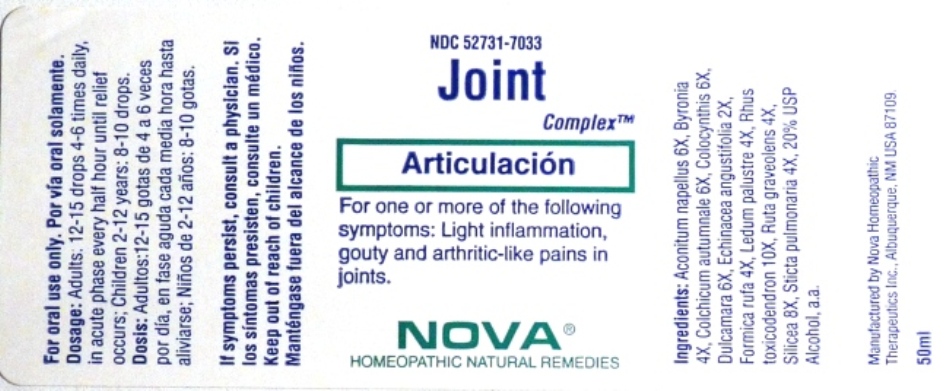
Joint Complex while Breastfeeding
What is Joint Complex used for?
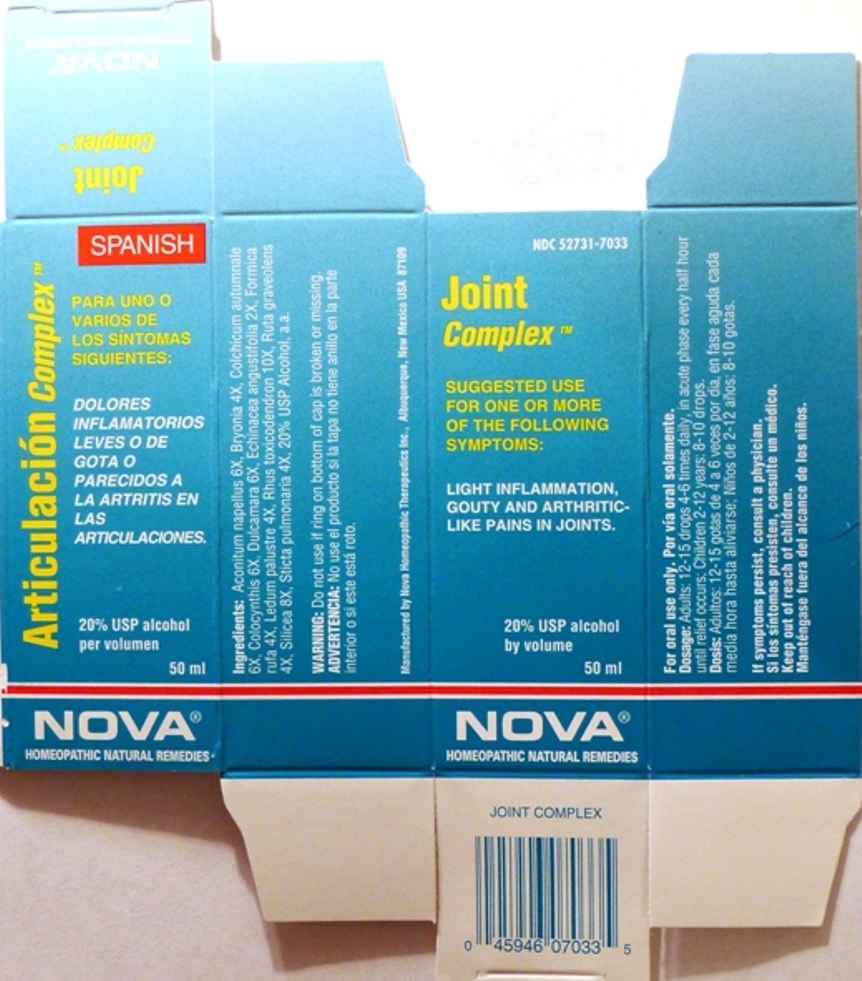
Purpose: Suggested use for one or more of the following symptoms: Light inflammation, gouty and arthritic-like pains in joints.
Is Joint Complex usage safe while breastfeeding? If a lactating mother is using it can there be any effect on growth or development of infant?

Joint Complex Breastfeeding Analsys
Aconitum napellus while Breastfeeding
SafeThe flowers and roots and leaves of this herbaceous plant are used. It contains sesquiterpene lactones, essential oil, flavonoids and traces of pyrrolizidine alkaloids. Topical use on whole skin. Indications in traditional medicine without evidence of its effectiveness: topical anti-inflammatory in bruises, sprains and localized muscle pain (EMA 2014). Do not apply to damaged skin It is very toxic orally (Anderson 2017), having described gastroenteritis, cardiac arrhythmia, neurological problems and death (WHO 2007 p.77, nal 2001) in people who took it and a case of severe hemolytic anemia in 9-day-old newborn whose mother was taking arnica infusion (Miller 2009). At the date of the last update, we did not find published data on its excretion in breast milk. The small dose and poor plasma absorption of most topical dermatological preparations make it unlikely that a significant amount will pass into breast milk. Do not apply on the breast so that the infant does not ingest it, or in large areas or for prolonged periods to avoid systemic absorption. Hands should be washed after applying arnica to avoid possible contact with the infants mouth.
Bryonia alba root while Breastfeeding
Low Risk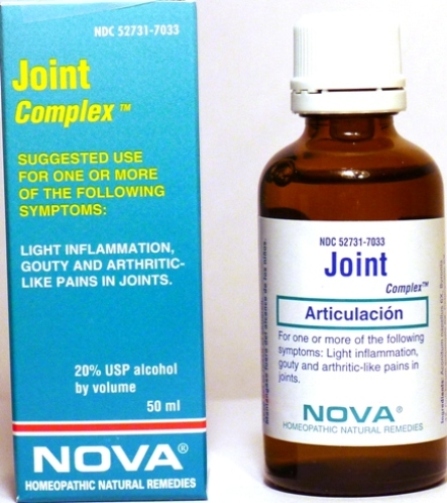
Climbing plant. The female inflorescences or flower tips are used.It contains phloroglucinols, estrogenic, quercetin, kaempferol, tannins, phenolic acids essential oil and flavonoids. One of its components, 8-prenylnaringenin (8-PN) is the most powerful phytoestrogen known. Properties that are attributed: hypnotic, sedative, orexigenic.It is used as a flavoring and stabilizer of the beer.Indications German Commission E Ministry of Health, EMA and ESCOP: insomnia, nervousness, anxiety There is no scientific evidence showing an improvement in milk production.A possible estrogenic effect may be a decrease in milk production.The best galactogogue is a frequent and on-demand breastfeeding along with proper technique. During breastfeeding its consumption should be moderate or occasional.
Colchicum autumnale bulb while Breastfeeding
Low RiskCAS Number: 64-86-8
It is used for treatment of Gout, Familial Mediterranean Fever. As well as for other conditions like Amyloidosis, Behçet's Syndrome, Pericarditis, Primary Biliary Cirrhosis and Pyoderma gangrenosum. It is excreted in breast milk in quantities that differ according to different published studies, from no clinically significant in some, until being important in others, but there have been no problems in infants whose mothers were treated, even after months, with undetectable plasma levels in these infants. The concomitant use of macrolide antibiotics and fruit juices (both the mother and the infant) , especially grape-fruit, is not recommended since they may interfere with bile excretion and greatly increase toxicity. The American Academy of Breastfeeding rates it as compatible with breastfeeding. List of Essential Medicines of WHO (2002): compatible with breastfeeding
Citrullus colocynthis fruit pulp while Breastfeeding
DangerousCucurbitaceae plant originally from Turkey with laxative properties. Highly toxic can cause death. Not recommended by the Commission G of the German Ministry of Health. Commercialization of this product has been banned. When present in homeopathic compounds it appears to be harmless.
Echinacea angustifolia while Breastfeeding
Low RiskCAS Number: 84696-11-7
Plant that is widely used even during pregnancy and breastfeeding. Because a lack of toxicity with an appropriate dose and moderate consumption it should be compatible with breastfeeding. The roots and aerial summits are used. It contains polysaccharides, essential oil, flavonoids, pyrrolizidine alkaloids among others. Unproven effects: immune stimulant, wound healing, anti-inflammatory. Indications are: common cold, bronchitis, skin lesions.Roots and aerial summits are used. It contains polysaccharides, essential oil, flavonoids, pyrrolizidine alkaloids ... Unproven effects: immune stimulant, wound healing, anti-inflammatory. Indications according to Commission E of German Ministry of Health: common cold, bronchitis, skin lesions. Contrary to the European Scientific Cooperative on Phytotherapy (ESCOP), the European Medication Agency does not recommend usage in younger than 12 years (allergy risk). Avoid using for longer than 8 weeks (risk for leukopenia)
Silicon dioxide while Breastfeeding
SafeA polymer made out of silicon-oxygen-methyl combination with a high molecular weight, water repellent and low superficial tension. It is used in many ways (dimethicone, simethicone, -see specific items)orally to treat infant colic and flatulence; as pediculicide, in cosmetic creams and lotions and skin protectants as to prevent ulcers and scars; arthroplasties, retinal detachments and reconstruction or cosmetic surgery as injections and implants. Silicone is widely distributed in our environment with several cosmetic and medicinal uses. No evidence of toxicity on human tissues has been shown. A 1994 report on immunological side effects in infants breastfed by mothers with silicone implants, was denied categorically by means of meta-analysis and other work. The absorption by oral or dermal route is negligible. Both a high molecular weight and polymer molecular structure make it practically impossible excretion in the milk and hence a significant amount of intestinal absorption by the infant. Those circumstances make silicone implants safe for lactation even if broken or manufacturing fault (Poly Implant Prothèse, PIP). After extensive analysis of such silicone prosthesis, where lack of health risk was demonstrated, it can be concluded that many of the initial recommendations published lacked scientific validity, including that carriers of such prosthesis should not breastfeed. Silicon levels in blood and milk of women with implants (55 ng / ml) are similar to those of women without implants (51 ng / ml), 13 times lower than that found in cow's milk (709 ng / ml) and 80 times lower than in commercial infant formulas (4403 ng / ml). American Academy of Pediatrics: Product usually compatible with breastfeeding. To view other possible effects on breastfeeding of breast implant unrelated to silicone, see the term 'Augmentation Mammoplasty'. See below the information of these related products:
Joint Complex Breastfeeding Analsys - 2
Colchicum autumnale bulb while Breastfeeding
CAS Number: 64-86-8
Long-term prophylactic maternal doses of colchicine up to 1.5 mg daily produce levels in milk that result in the infant receiving less than 10% of the maternal weight-adjusted dosage. The highest milk levels occur 2 to 4 hours after a dose, so avoiding breastfeeding during this time can minimize the infant dose, although some clinicians simply recommend taking the drug after nursing. No adverse effects in breastfed infants have been reported in case series and a case-control study and some authors consider colchicine safe during breastfeeding in women being treated for familial Mediterranean fever or rheumatic conditions.[1][2][3][4]
Echinacea angustifolia while Breastfeeding
CAS Number: 84696-11-7; 90028-20
Echinacea species (Echinacea angustifolia, Echinacea purpurea, Echinacea pallida) contain high molecular weight polysaccharides (e.g., heteroxylan, arabinogalactan) and lower molecular weight compounds (e.g., alkylamides, caffeoyl conjugates such as cichoric acid and echinacosides), but no single chemical is known to be responsible for echinacea's biological activity. Some products have been standardized based on echinacoside, and others on cichoric acid. Echinacea has no specific uses during breastfeeding, but is commonly used orally to treat or prevent upper respiratory infections. It is also used topically to treat skin infections. Excretion of some of the purportedly active alkamides was found in breastmilk in one mother. No data exist on the safety and efficacy of echinacea in nursing mothers or infants. In general, echinacea is well tolerated with gastrointestinal upset, diarrhea and constipation, skin rash and rarely allergic reactions reported. It may also alter the metabolism of some dugs metabolized by the P450 enzyme system. Some sources indicate that echinacea is safe in recommended doses,[1] while others recommend avoiding it during breastfeeding because of the lack of published safety data. Dietary supplements do not require extensive pre-marketing approval from the U.S. Food and Drug Administration. Manufacturers are responsible to ensure the safety, but do not need to the safety and effectiveness of dietary supplements before they are marketed. Dietary supplements may contain multiple ingredients, and differences are often found between labeled and actual ingredients or their amounts. A manufacturer may contract with an independent organization to verify the quality of a product or its ingredients, but that does certify the safety or effectiveness of a product. Because of the above issues, clinical testing results on one product may not be applicable to other products. More detailed information #about dietary supplements# is available elsewhere on the LactMed Web site.
Joint Complex Breastfeeding Analsys - 3
Ledum palustre twig and Breastfeeding
UnsafeLabrador tea is a plant. The leaves and flowering shoots are used to make medicine. People take Labrador tea for sore throat, chest congestion, coughs, lung infections, and other chest ailments. They also take it for diarrhea, kidney problems, joint and muscle pain (rheumatism), headache, and cancer.
Women use it to cause an abortion or treat �female disorders.�Some people add Labrador tea to bath water or apply it directly to the skin to treat skin problems. The flowers and leaves of the plant are used to prepare tea. However, frequent intake of the same have some side effects like headaches, indigestion, cramps, and vomiting.
Labrador tea has narcotic properties. If taken in concentrations that are too high, it can cause symptoms of intoxication that can lead to paralysis and death. Due to its narcotic properties Its likely unsafe to use Labrador tea if you are breastfeeding. If you are pregnant It might cause an abortion.
Toxicodendron pubescens leaf and Breastfeeding
SafePoison ivy rash is caused by contact with poison ivy, a plant that grows almost everywhere in the United States. The sap of the poison ivy plant, also known as Toxicodendron radicans, contains oil called urushiol. This is the irritant that causes an allergic reaction and rash.
You dont even have to come in direct contact with the plant to have a reaction. The oil can linger on your gardening equipment, golf clubs, or even your shoes. Brushing against the plant � or anything thats touched it � can result in skin irritation, pain, and itching.
Poison ivy is not contagious. It cannot spread from person to person. It can, however, be spread in a few other scenarios. For example, a pet that encounters poison ivy leaves can carry the urushiol oil in its fur. When you touch the animal, you may pick up the oil and develop a rash. Clothing fibers can also spread poison ivys oil. If you touch poison ivy with a pair of pants or shirt and do not wash it after contact is made, you could develop another rash if you touch the clothing. You can also spread the oil to another person, if they come into contact with clothes that have touched poison ivy. A poison ivy rash cannot spread across your body either. If you come into contact with poison ivy that is burning, you may inhale plant compounds. This can lead to irritation in the lungs, airways, and eyes.
Poison ivy rash doesnt pose a serious risk to a pregnant woman or a developing baby. Your baby can get the rash only from touching something with the oil on it. And the liquid in the blisters doesnt contain urushiol, so the rash cant be spread by scratching or popping them. If you notice a new patch of rash on your baby a few days after the first one appears, its not because the rash has spread. If you have poison ivy it should not affect the milk and health of breastfed baby.
Homeopathic preparations of Poison ivy are used to treat pain, rheumatoid arthritis, menstrual period problems, swelling, and itchy skin disorders. Due to extreme dilution of poison ivy in homeopathic medicines its mostly safe in breastfeeding.
I am nursing mother and I have already used Joint Complex, what should I do?
Due to high dilution of ingredients in homeopathic medicines they do not create much problem for baby. Joint Complex is a homeopathic medicine and if your baby does not have any abnormal symptoms then there is nothing to worry about. Be careful with too much usage of ethanol based homeopathic medicines during breastfeeding.
I am nursing mother and my doctor has suggested me to use Joint Complex, is it safe?
Homeopathic medicines are usually safe in breastfeeding and if Joint Complex has been recommended by doctor then there should be no concern about its usage in breastfeeding.
If I am using Joint Complex, will my baby need extra monitoring?
Not exactly.
Who can I talk to if I have questions about usage of Joint Complex in breastfeeding?
US
National Womens Health and Breastfeeding Helpline: 800-994-9662 (TDD 888-220-5446) 9 a.m. and 6 p.m. ET, Monday through Friday
UK
National Breastfeeding Helpline: 0300-100-0212 9.30am to 9.30pm, daily
Association of Breastfeeding Mothers: 0300-330-5453
La Leche League: 0345-120-2918
The Breastfeeding Network supporter line in Bengali and Sylheti: 0300-456-2421
National Childbirth Trust (NCT): 0300-330-0700
Australia
National Breastfeeding Helpline: 1800-686-268 24 hours a day, 7 days a week
Canada
Telehealth Ontario for breastfeeding: 1-866-797-0000 24 hours a day, 7 days a week