
Adapalene Gel while Breastfeeding
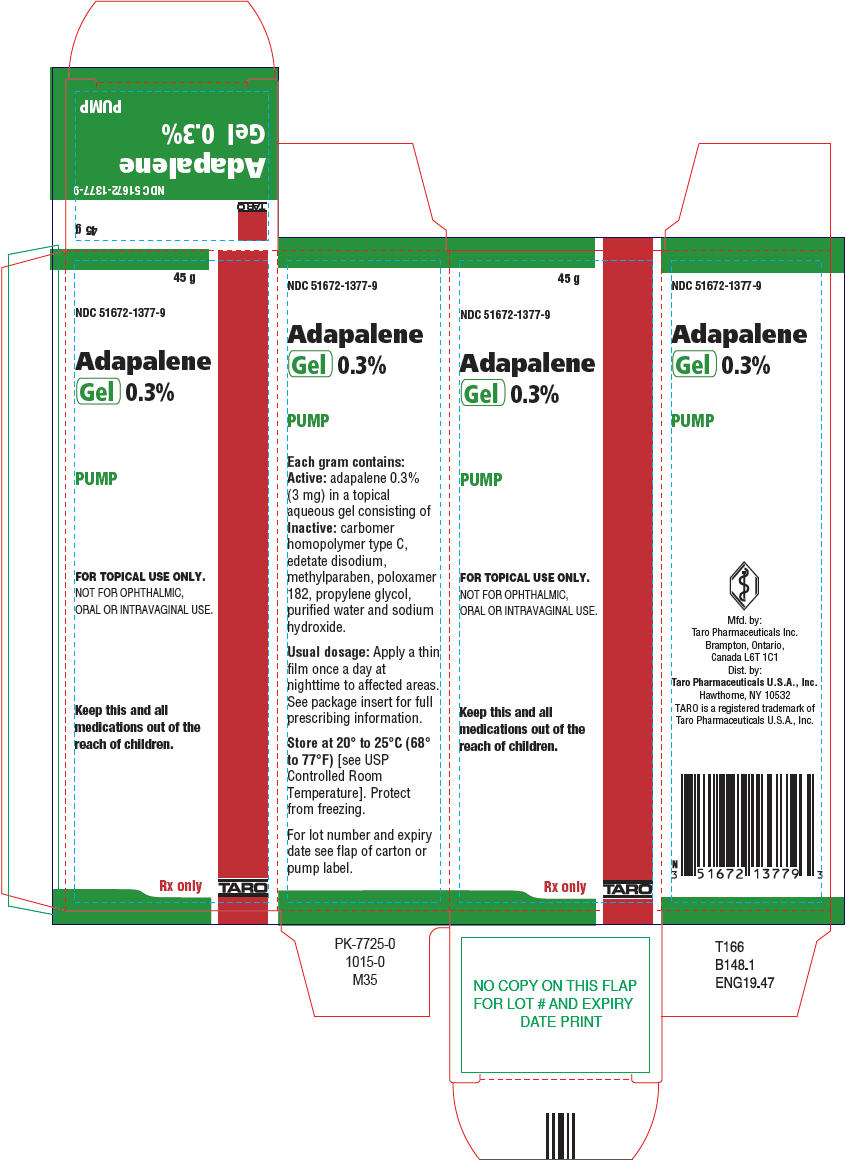
What is Adapalene Gel used for?
Is Adapalene Gel usage safe while breastfeeding? If a lactating mother is using it can there be any effect on growth or development of infant?

8.3 Nursing Mothers It is not known whether adapalene is excreted in human milk. Because many drugs are excreted in human milk, caution should be exercised when Adapalene Gel, 0.3% is administered to a nursing woman.
Adapalene Gel Breastfeeding Analsys
Adapalene while Breastfeeding
SafeCAS Number: 106685-40-9
Retinoid analogue with similar properties as Tretinoine. It is practically not absorbed by skin hence it cannot achieve significant levels in the milk. Avoid using it on the breast or cleanse it thoroughly before nursing.
Adapalene Gel Breastfeeding Analsys - 2
Adapalene while Breastfeeding
CAS Number: 106685-40-9
Topical adapalene has not been studied during breastfeeding. Because it is poorly absorbed after topical application,[1] and blood levels are less than 0.25 mcg/L with long-term use, it is probably a low risk to the nursing infant. Do not apply to the nipple area and ensure that the infant's skin does not come into direct contact with the areas of skin that have been treated. Only water-miscible cream or gel products should be applied to the breast because ointments may expose the infant to high levels of mineral paraffins via licking.[2]
What should I do if I am breastfeeding mother and I am already exposed to Adapalene Gel?
As usage of Adapalene Gel is mostly safe while breastfeeding hence there should not be any concern. In case of any change in behavior or health of your baby you should inform your health care provider about usage of Adapalene Gel else no further action is required.
I am nursing mother and my doctor has suggested me to use Adapalene Gel, is it safe?
Definitely, Adapalene Gel is safe in lactation for baby. No wonder your doctor has recommended it.
If I am using Adapalene Gel, will my baby need extra monitoring?
No extra baby monitoring required while mother is using Adapalene Gel
Who can I talk to if I have questions about usage of Adapalene Gel in breastfeeding?
US
National Womens Health and Breastfeeding Helpline: 800-994-9662 (TDD 888-220-5446) 9 a.m. and 6 p.m. ET, Monday through Friday
UK
National Breastfeeding Helpline: 0300-100-0212 9.30am to 9.30pm, daily
Association of Breastfeeding Mothers: 0300-330-5453
La Leche League: 0345-120-2918
The Breastfeeding Network supporter line in Bengali and Sylheti: 0300-456-2421
National Childbirth Trust (NCT): 0300-330-0700
Australia
National Breastfeeding Helpline: 1800-686-268 24 hours a day, 7 days a week
Canada
Telehealth Ontario for breastfeeding: 1-866-797-0000 24 hours a day, 7 days a week