
Sleep And Dream while Breastfeeding
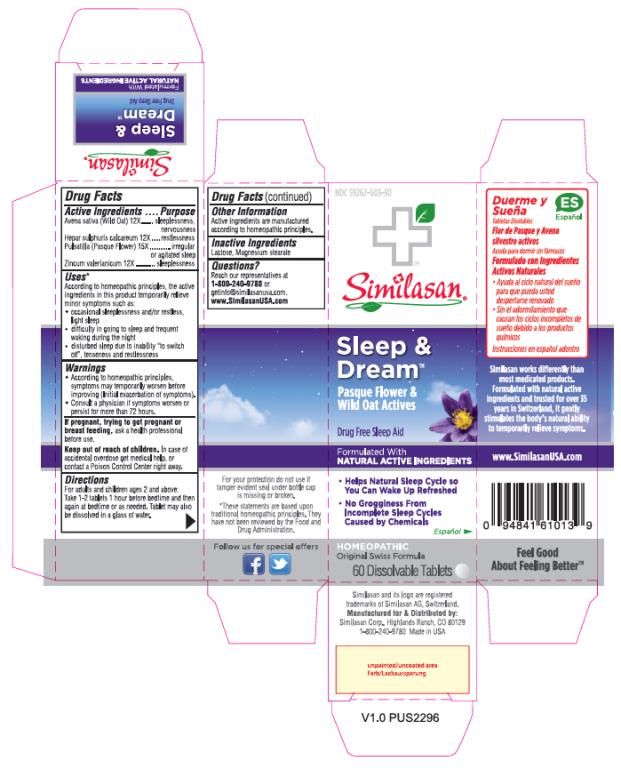
What is Sleep And Dream used for?
Purpose: sleeplessness, nervousness
Purpose restlessness
Purpose irregular or agitated sleep
Purpose sleeplessness
Is Sleep And Dream usage safe while breastfeeding? If a lactating mother is using it can there be any effect on growth or development of infant?

Sleep And Dream Breastfeeding Analsys
Avena sativa flowering top while Breastfeeding
SafeThe seeds of this leguminous plant are used. Content: carbohydrates, proteins, saponins, vitamins, minerals . Assigned properties: appetite stimulant, lowering of lipemia and glycemic (Gong 2016).Indications according to Commission E of the German Ministry of Health: Anorexia, Atopic Dermatitis. Widely used as a galactogogue in many cultures around the world (Ayers 2000, Winterfeld 2012, Sim 2013, The Royal Women's .. 2013, Bazzano 2016). Case-control studies looking for evidence on the increment of milk production associated to the use of fenugreek are few (Turkyılmaz 2011, Ghasemi 2015), along with a variety of methodological deficiencies. Other studies have failed to find such an effect with the use of fenugreek (Damanik 2006). Studies with an appropriate design are needed to provide high quality evidence to make clinical recommendations on its use (Forinash 2012, Zapantis 2012, Committee LM AEP 2012, Mortel 2013, Bazzano 2016) A higher antioxidant effect in the breastmilk of women who have consumed mixed infusions containing this or other herbs has not been shown (Kavurt 2013). Given the wide spread use and lack of toxicity of this herb, a moderate consumption would be compatible with breastfeeding, yet high doses may produce hypoglycemia (EMA 2011, Gong 2016) and, because of the odor appearing in the urine of the infant, a lab test may be required to make a differential diagnosis with maple syrup disease of the newborn (Sewell 1999, Korman 2001). Avoid the use of a galactogogue without a sanitary control. Best galactagogue results are achieved through on-demand breastfeeding along with an adequate technique in a mother who is able to maintain self-confidence (ABM 2011, Mannion 2012). Precautions when taking plant preparations: 1. Ensure that they are from a reliable source: poisoning has occurred due to confusing one plant with another with toxic properties, as well as poisoning from heavy metals extracted from the ground and food poisoning due to contamination with bacteria or fungi. 2. Do not take in large amounts; follow recommendations from professional experts in phytotherapy. "Natural" products are not always good in any quantity: plants contain active substances from which much of our traditional pharmacopoeia has been obtained and can result in poisoning or act as endocrine disruptors if taken in excessive amounts or time periods.
Calcium sulfide while Breastfeeding
SafeVarious calcium salts (Acetate, Carbonate, Chloride, Citrate, Phosphate, Gluceptate, Glucobionato, Lactate, Laxctobionato Pidolate, Silicate) are used in the management of hypocalcemia, supplements for treating calcium deficiency states and antacids ( Carbonate and Silicate) Daily requirement of calcium during lactation are 1 g (1.3 g in children under 20 years).Calcium supplements in the diet does not affect the concentration of calcium in milk.Excessive intake of calcium is not good for health. During lactation, consumption of calcium should not exceed 2.5 g a day. WHO List of Essential Medicines 2002 states that it is compatible with breastfeeding.
Zinc valerate dihydrate while Breastfeeding
SafeZinc (Zn) is an essential element for nutrition. It is present in many foods.Recommended daily allowance of Zn is 8 to 15 mg. (Moran Hall 2010). Millions of people worldwide are Zn-deficient.It is used as a treatment for Wilson's disease and Acrodermatitis Enteropathica. Zn is involved in the regulation process of lactation (Lee 2016).Pasteurization of the milk does not affect the concentration of Zn and other trace elements (Mohd Taufek-2016). The average concentration of Zn in breastmilk is 4 to 16 mg / L (Picciano 1976, Hannan 2005, Dórea 2012) which is independent of plasma levels and maternal daily intake (Krebs 1995, Chierici 1999, Hannan 2009).Intestinal absorption of zinc is almost doubled during pregnancy and lactation (Fung 1997).Zinc levels in the infant are dependent on Zinc levels in the breast milk (Dumrongwongsiri 2015)With a varied and balanced diet, an extra intake of minerals is not needed. Excessive intake of Zinc may cause gastrointestinal problems and Pancytopenia (Irving 2003).
I already used Sleep And Dream and meanwhile I breastfed my baby should I be concerned?
Due to high dilution of ingredients in homeopathic medicines they do not create much problem for baby. Sleep And Dream is a homeopathic medicine and if your baby does not have any abnormal symptoms then there is nothing to worry about. Be careful with too much usage of ethanol based homeopathic medicines during breastfeeding.
I am nursing mother and my doctor has suggested me to use Sleep And Dream, is it safe?
Homeopathic medicines are usually safe in breastfeeding and if Sleep And Dream has been recommended by doctor then there should be no concern about its usage in breastfeeding.
If I am using Sleep And Dream, will my baby need extra monitoring?
Not exactly.
Who can I talk to if I have questions about usage of Sleep And Dream in breastfeeding?
US
National Womens Health and Breastfeeding Helpline: 800-994-9662 (TDD 888-220-5446) 9 a.m. and 6 p.m. ET, Monday through Friday
UK
National Breastfeeding Helpline: 0300-100-0212 9.30am to 9.30pm, daily
Association of Breastfeeding Mothers: 0300-330-5453
La Leche League: 0345-120-2918
The Breastfeeding Network supporter line in Bengali and Sylheti: 0300-456-2421
National Childbirth Trust (NCT): 0300-330-0700
Australia
National Breastfeeding Helpline: 1800-686-268 24 hours a day, 7 days a week
Canada
Telehealth Ontario for breastfeeding: 1-866-797-0000 24 hours a day, 7 days a week