
Epclusa | Velpatasvir And Sofosbuvir Tablet while Breastfeeding
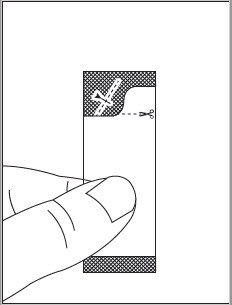
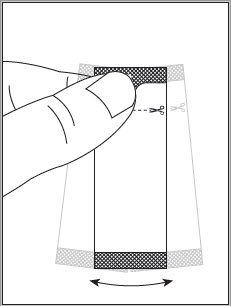
What is Epclusa | Velpatasvir And Sofosbuvir Tablet used for?
I am currently breastfeeding and I want to know if using Epclusa | Velpatasvir And Sofosbuvir Tablet is safe for my kid? Does it have any effect on milk production?
Epclusa | Velpatasvir And Sofosbuvir Tablet Breastfeeding Analsys
Velpatasvir while Breastfeeding
Low RiskCAS Number: 1377049-84-7
Usually used in combination with sofosbuvir in the treatment of hepatitis C. Since the last update we have not found published data on its excretion in breast milk. Its pharmacokinetic data (high molecular weight and very high percentage of protein binding) make it very unlikely that significant amounts would pass into breast milk, therefore it would not be necessary to stop breastfeeding when taking this medication on its own or in combination with sofosbuvir (Lactmed 2016). See below the information of these related products:
Sofosbuvir while Breastfeeding
Low RiskCAS Number: 1190307-88-0
Usually used in combination with Ledispavir in the treatment of hepatitis C. Since the last update we have not found published data on its excretion in breast milk. Its pharmacokinetic data (moderately elevated molecular weight, good percentage of protein binding and very short half-life) impedes its passage to breast milk in significant amounts, so although there is disagreement (Thompson 2016), some authors consider that treatment with sofosbuvir, alone or in combination with ledipasvir is not contraindicated during breastfeeding (Spera 2016). See below the information of these related products:
Epclusa | Velpatasvir And Sofosbuvir Tablet Breastfeeding Analsys - 2
Velpatasvir while Breastfeeding
CAS Number: 1377049-84-7
Velpatasvir has not been studied in nursing mothers being treated for hepatitis C infection. Because it is greater than 99.5% bound to maternal plasma proteins, amounts in breastmilk are likely to be very low. If velpatasvir used alone or in combination with sofosbuvir is required by the mother, it is not a reason to discontinue breastfeeding. Some sources recommend against breastfeeding when velpatasvir is used with ribavirin. Hepatitis C is not transmitted through breastmilk[1][2] and breastmilk has been shown to inactivate hepatitis C virus (HCV).[3][4] However, the Centers for Disease Control recommends that mothers with HCV infection should consider abstaining from breastfeeding if their nipples are cracked or bleeding. It is not clear if this warning would apply to mothers who are being treated for hepatitis C. Infants born to mothers with HCV infection should be tested for HCV infection; because maternal antibody is present for the first 18 months of life and before the infant mounts an immunologic response, nucleic acid testing is recommended.[1][2]
Sofosbuvir while Breastfeeding
CAS Number: 1190307-88-0 1620486
Sofosbuvir has not been studied in nursing mothers being treated for hepatitis C infection. If sofosbuvir alone or in combination with ledipasvir (Harvoni) is required by the mother, it is not a reason to discontinue breastfeeding.[1] Some sources recommend against breastfeeding when sofosbuvir is used with ribavirin. Hepatitis C is not transmitted through breastmilk[2][3] and breastmilk has been shown to inactivate hepatitis C virus (HCV).[4][5] However, the Centers for Disease Control recommends that mothers with HCV infection should consider abstaining from breastfeeding if their nipples are cracked or bleeding. It is not clear if this warning would apply to mothers who are being treated for hepatitis C. Infants born to mothers with HCV infection should be tested for HCV infection; because maternal antibody is present for the first 18 months of life and before the infant mounts an immunologic response, nucleic acid testing is recommended.[2][3]
I already used Epclusa | Velpatasvir And Sofosbuvir Tablet and meanwhile I breastfed my baby should I be concerned?
Epclusa | Velpatasvir And Sofosbuvir Tablet is in the category of low risk, if you have already used it then its not a big deal if health and behavior of baby is good. However your health care provider shall be aware of the fact that you have used Epclusa | Velpatasvir And Sofosbuvir Tablet so you should inform him based on your convenience.
My health care provider has asked me to use Epclusa | Velpatasvir And Sofosbuvir Tablet, what to do?
Epclusa | Velpatasvir And Sofosbuvir Tablet comes in category of low risk and if your doctor is aware that you are breastfeeding it should be ok to use
If I am using Epclusa | Velpatasvir And Sofosbuvir Tablet, will my baby need extra monitoring?
Not much monitoring required while using Epclusa | Velpatasvir And Sofosbuvir Tablet
Who can I talk to if I have questions about usage of Epclusa | Velpatasvir And Sofosbuvir Tablet in breastfeeding?
US
National Womens Health and Breastfeeding Helpline: 800-994-9662 (TDD 888-220-5446) 9 a.m. and 6 p.m. ET, Monday through Friday
UK
National Breastfeeding Helpline: 0300-100-0212 9.30am to 9.30pm, daily
Association of Breastfeeding Mothers: 0300-330-5453
La Leche League: 0345-120-2918
The Breastfeeding Network supporter line in Bengali and Sylheti: 0300-456-2421
National Childbirth Trust (NCT): 0300-330-0700
Australia
National Breastfeeding Helpline: 1800-686-268 24 hours a day, 7 days a week
Canada
Telehealth Ontario for breastfeeding: 1-866-797-0000 24 hours a day, 7 days a week