
Fungal Infection while Breastfeeding
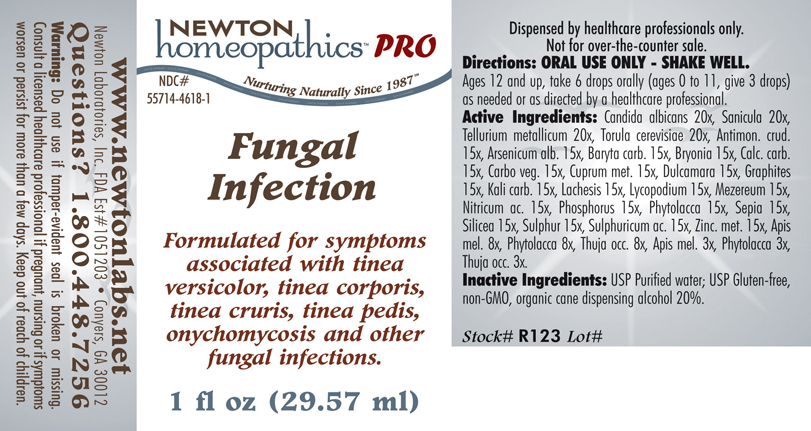
What is Fungal Infection used for?
Is Fungal Infection usage safe while breastfeeding? If a lactating mother is using it can there be any effect on growth or development of infant?

Fungal Infection Breastfeeding Analsys
Arsenic trioxide while Breastfeeding
DangerousUsed in the treatment of promyelocitic leukemia in adults.
Bryonia alba root while Breastfeeding
Low RiskClimbing plant. The female inflorescences or flower tips are used.It contains phloroglucinols, estrogenic, quercetin, kaempferol, tannins, phenolic acids essential oil and flavonoids. One of its components, 8-prenylnaringenin (8-PN) is the most powerful phytoestrogen known. Properties that are attributed: hypnotic, sedative, orexigenic.It is used as a flavoring and stabilizer of the beer.Indications German Commission E Ministry of Health, EMA and ESCOP: insomnia, nervousness, anxiety There is no scientific evidence showing an improvement in milk production.A possible estrogenic effect may be a decrease in milk production.The best galactogogue is a frequent and on-demand breastfeeding along with proper technique. During breastfeeding its consumption should be moderate or occasional.
Oyster shell calcium carbonate, crude while Breastfeeding
SafeCAS Number: 471-34-1
Various calcium salts (Acetate, Carbonate, Chloride, Citrate, Phosphate, Gluceptate, Glucobionato, Lactate, Laxctobionato Pidolate, Silicate) are used in the management of hypocalcemia, supplements for treating calcium deficiency states and antacids ( Carbonate and Silicate) Daily requirement of calcium during lactation are 1 g (1.3 g in children under 20 years).Calcium supplements in the diet does not affect the concentration of calcium in milk.Excessive intake of calcium is not good for health. During lactation, consumption of calcium should not exceed 2.5 g a day. WHO List of Essential Medicines 2002 states that it is compatible with breastfeeding.
Activated charcoal while Breastfeeding
SafeCAS Number: 7440-44-0
Powdered carbon with high adsorption levels.Administrated orally, it adsorbs drugs and toxins, avoiding their absorption from the gastrointestinal tract. It also has uses as an antidiarrheal and antiflatulent and for marking breast lesions in mammography. Since the last update we have not found published data about its excretion in breast milk. Its zero intestinal absorption (Torbet 2005, AEMPS 1998) prevents its passing into plasma and therefore into breast milk. It use is permitted in infants under one year old (Pediamecum 2015).
Potassium carbonate while Breastfeeding
SafeCAS Number: 7447-40-7
Human milk has a potassium concentration of 13 meq/L, almost a half of rehydration solution content and a quarter of maximal IV recommended dose. Potassium supplementation does not alter milk concentration without increasing mother’s serum concentration, which is strictly limited from 3,5 to 5,5 meq/L.
Lycopodium clavatum spore while Breastfeeding
UnsafeAerial summits and spores of this fern are used. Traditionally use as a diuretic and intestinal spasm relief drug. Also used for abrasions and skin irritation. It may be a cause of asthma and contact dermatitis.
Nitric acid while Breastfeeding
SafeCAS Number: 7761-88-8
Avoid using it on the breast or cleanse thoroughly before nursing.
Silicon dioxide while Breastfeeding
SafeA polymer made out of silicon-oxygen-methyl combination with a high molecular weight, water repellent and low superficial tension. It is used in many ways (dimethicone, simethicone, -see specific items)orally to treat infant colic and flatulence; as pediculicide, in cosmetic creams and lotions and skin protectants as to prevent ulcers and scars; arthroplasties, retinal detachments and reconstruction or cosmetic surgery as injections and implants. Silicone is widely distributed in our environment with several cosmetic and medicinal uses. No evidence of toxicity on human tissues has been shown. A 1994 report on immunological side effects in infants breastfed by mothers with silicone implants, was denied categorically by means of meta-analysis and other work. The absorption by oral or dermal route is negligible. Both a high molecular weight and polymer molecular structure make it practically impossible excretion in the milk and hence a significant amount of intestinal absorption by the infant. Those circumstances make silicone implants safe for lactation even if broken or manufacturing fault (Poly Implant Prothèse, PIP). After extensive analysis of such silicone prosthesis, where lack of health risk was demonstrated, it can be concluded that many of the initial recommendations published lacked scientific validity, including that carriers of such prosthesis should not breastfeed. Silicon levels in blood and milk of women with implants (55 ng / ml) are similar to those of women without implants (51 ng / ml), 13 times lower than that found in cow's milk (709 ng / ml) and 80 times lower than in commercial infant formulas (4403 ng / ml). American Academy of Pediatrics: Product usually compatible with breastfeeding. To view other possible effects on breastfeeding of breast implant unrelated to silicone, see the term 'Augmentation Mammoplasty'. See below the information of these related products:
Zinc while Breastfeeding
SafeZinc (Zn) is an essential element for nutrition. It is present in many foods.Recommended daily allowance of Zn is 8 to 15 mg. (Moran Hall 2010). Millions of people worldwide are Zn-deficient.It is used as a treatment for Wilson's disease and Acrodermatitis Enteropathica. Zn is involved in the regulation process of lactation (Lee 2016).Pasteurization of the milk does not affect the concentration of Zn and other trace elements (Mohd Taufek-2016). The average concentration of Zn in breastmilk is 4 to 16 mg / L (Picciano 1976, Hannan 2005, Dórea 2012) which is independent of plasma levels and maternal daily intake (Krebs 1995, Chierici 1999, Hannan 2009).Intestinal absorption of zinc is almost doubled during pregnancy and lactation (Fung 1997).Zinc levels in the infant are dependent on Zinc levels in the breast milk (Dumrongwongsiri 2015)With a varied and balanced diet, an extra intake of minerals is not needed. Excessive intake of Zinc may cause gastrointestinal problems and Pancytopenia (Irving 2003).
Fungal Infection Breastfeeding Analsys - 2
Arsenic trioxide while Breastfeeding
CAS Number: 1327-53-3
Most sources consider breastfeeding to be contraindicated during maternal antineoplastic drug therapy. It might be possible to breastfeed safely during intermittent therapy with an appropriate period of breastfeeding abstinence; the manufacturer recommends an abstinence period of 1 week after the last dose. Chemotherapy may adversely affect the normal microbiome and chemical makeup of breastmilk.[1] Women who receive chemotherapy during pregnancy are more likely to have difficulty nursing their infant.[2]
Barium carbonate while Breastfeeding
CAS Number: 7727-43-7
Because barium sulfate is not absorbed after oral or rectal administration, it will not enter the milk, reach the bloodstream of the infant or cause any adverse effects in breastfed infants. No special precautions are required.
Sulfur while Breastfeeding
CAS Number: 7704-34-9
Sulfur 5% to 10% in a petrolatum base is safe for topical use in children, including infants under 2 months of age.[1] This makes it a useful alternative to organic insecticides for treating scabies in nursing mothers; however, the petrolatum base makes undesirable for use on the breast.
Fungal Infection Breastfeeding Analsys - 3
Copper and Breastfeeding
SafeIn most cases, it is okay to take mineral supplements like iron, calcium and copper. These have not been known to affect breast milk levels. However, taking large amounts of a dietary supplement while breast-feeding may be harmful to the mother and/or baby and should be avoided.
Phosphorus and Breastfeeding
SafeNext to calcium, phosphorus is the most abundant mineral in the body, making up about 1% of total body weight. Calcium, which gives strength to bones and teeth, needs to be combined with another mineral, such as phosphorous, to become stabilized before it can be effective.
Phosphorus also helps to release energy from food as it plays an important role in the metabolism of carbohydrate, fat and protein. Phosphorus is naturally found in many food sources and phosphorus supplementation while breastfeeding is mostly safe.
You can easily get all the phosphorus you need from a well-balanced diet (even though most prenatal vitamins dont contain phosphorus). For example, 2 cup of yogurt provides nearly all your phosphorus for the day.
Warning: Consuming high doses of phosphorus for a short time can cause diarrhea or stomach pain. The long term over-consumption of foods high in phosphorus can deplete calcium resources and lead to reduced bone mass, which means that bones are more likely to fracture.Sepia officinalis juice and Breastfeeding
SafeSEPIA OFFICINALIS is usually low in mercury and its likely safe in breastfeeding.
Sulfur and Breastfeeding
SafeNote: Study and data for tropical use only
Warning: Tropical usage in breast area shall be avoided to prevent the Thuja passing orally in Infants.
Thuja occidentalis leafy twig and Breastfeeding
Low RiskThuja is one of the most common remedies used for warts. Topical Usage of Thuja for wart is likely safe while breastfeeding. We do not have sufficient safety usage data for Thuja oral consumption, However its likely unsafe to use thuja orally while breastfeeding.
Warning: Tropical usage in breast area shall be avoided to prevent the Thuja passing orally in Infants.What should I do if I am breastfeeding mother and I am already exposed to Fungal Infection?
Due to high dilution of ingredients in homeopathic medicines they do not create much problem for baby. Fungal Infection is a homeopathic medicine and if your baby does not have any abnormal symptoms then there is nothing to worry about. Be careful with too much usage of ethanol based homeopathic medicines during breastfeeding.
I am nursing mother and my doctor has suggested me to use Fungal Infection, is it safe?
Homeopathic medicines are usually safe in breastfeeding and if Fungal Infection has been recommended by doctor then there should be no concern about its usage in breastfeeding.
If I am using Fungal Infection, will my baby need extra monitoring?
Not exactly.
Who can I talk to if I have questions about usage of Fungal Infection in breastfeeding?
US
National Womens Health and Breastfeeding Helpline: 800-994-9662 (TDD 888-220-5446) 9 a.m. and 6 p.m. ET, Monday through Friday
UK
National Breastfeeding Helpline: 0300-100-0212 9.30am to 9.30pm, daily
Association of Breastfeeding Mothers: 0300-330-5453
La Leche League: 0345-120-2918
The Breastfeeding Network supporter line in Bengali and Sylheti: 0300-456-2421
National Childbirth Trust (NCT): 0300-330-0700
Australia
National Breastfeeding Helpline: 1800-686-268 24 hours a day, 7 days a week
Canada
Telehealth Ontario for breastfeeding: 1-866-797-0000 24 hours a day, 7 days a week