
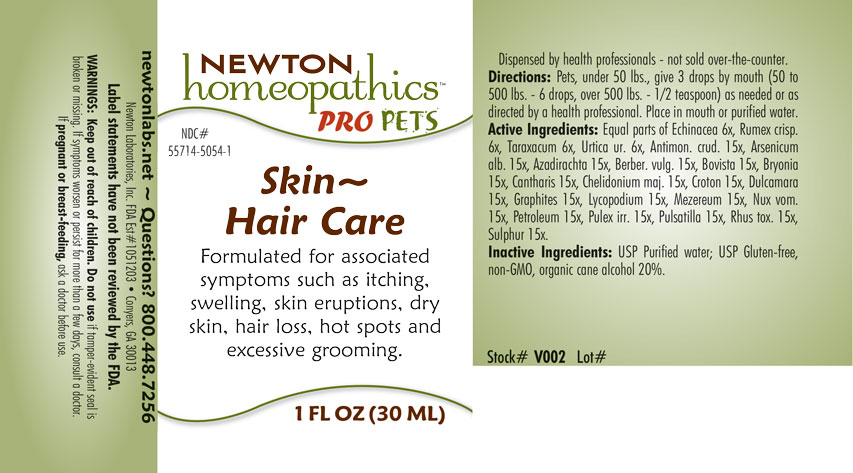
Skin - Hair Care while Breastfeeding

What is Skin - Hair Care used for?
Is Skin - Hair Care usage safe while breastfeeding? If a lactating mother is using it can there be any effect on growth or development of infant?

Skin - Hair Care Breastfeeding Analsys
Arsenic trioxide while Breastfeeding
DangerousUsed in the treatment of promyelocitic leukemia in adults.
Berberis vulgaris root bark while Breastfeeding
DangerousCAS Number: 84649-92-3
Roots and bark are used. It contains Berberine that may be a cause of gastritis, nephritis, phototoxicity and severe jaundice by displacement of albumin -linked bilirubin: higher risk of kernicterus to newborns, which is greater in cases of 6-Glucose-PD deficiency. It is popularly widely used, however, its effectiveness has not been shown. Use not approved by the Commission E of German Ministry of Health. It should be avoided.
Bryonia alba root while Breastfeeding
Low RiskClimbing plant. The female inflorescences or flower tips are used.It contains phloroglucinols, estrogenic, quercetin, kaempferol, tannins, phenolic acids essential oil and flavonoids. One of its components, 8-prenylnaringenin (8-PN) is the most powerful phytoestrogen known. Properties that are attributed: hypnotic, sedative, orexigenic.It is used as a flavoring and stabilizer of the beer.Indications German Commission E Ministry of Health, EMA and ESCOP: insomnia, nervousness, anxiety There is no scientific evidence showing an improvement in milk production.A possible estrogenic effect may be a decrease in milk production.The best galactogogue is a frequent and on-demand breastfeeding along with proper technique. During breastfeeding its consumption should be moderate or occasional.
Lycopodium clavatum spore while Breastfeeding
UnsafeAerial summits and spores of this fern are used. Traditionally use as a diuretic and intestinal spasm relief drug. Also used for abrasions and skin irritation. It may be a cause of asthma and contact dermatitis.
Strychnos nux-vomica seed while Breastfeeding
DangerousCAS Number: 8046-97-7
Dried seed of this plant has been used. It contains brucine and strychnine. It is highly toxic and easily lethal.
Echinacea, unspecified while Breastfeeding
Low RiskCAS Number: 84696-11-7
Plant that is widely used even during pregnancy and breastfeeding. Because a lack of toxicity with an appropriate dose and moderate consumption it should be compatible with breastfeeding. The roots and aerial summits are used. It contains polysaccharides, essential oil, flavonoids, pyrrolizidine alkaloids among others. Unproven effects: immune stimulant, wound healing, anti-inflammatory. Indications are: common cold, bronchitis, skin lesions.Roots and aerial summits are used. It contains polysaccharides, essential oil, flavonoids, pyrrolizidine alkaloids ... Unproven effects: immune stimulant, wound healing, anti-inflammatory. Indications according to Commission E of German Ministry of Health: common cold, bronchitis, skin lesions. Contrary to the European Scientific Cooperative on Phytotherapy (ESCOP), the European Medication Agency does not recommend usage in younger than 12 years (allergy risk). Avoid using for longer than 8 weeks (risk for leukopenia)
Taraxacum officinale while Breastfeeding
SafeThe roots and leaves of the plant in salads both as food and herbal medicine are used.It contains inulin, terpenes, phytosterols, flavonoids, coumarins and potassium salts in large quantities.Attributed Properties: cholagogue, laxative, orexigenic. diureticIndication by the German Commission E Ministry of Health: dyspepsia, cholelithiasis, anorexia.Indications by the European Medicament Agency (EMA): diuretic. Non toxic. There is no evidence of its effectiveness as galactogogue.Best galactogogue is a frequent on-demand breastfeeding and proper technique. Its wide use, low toxicity and since it is also consumed as food, a moderate consumption during lactation is considered of little or no risk. Precaution is recommended before taking herbal infusions:1. Ensure a reliable source: poisoning occurred by confusion with another plant that resulted to be toxic, poisoning from heavy metals and food poisoning by contamination with bacteria or fungi.2. Avoid excessive consumption. The "natural" products are not good in any amount: plants contain active substances from which come out much of our traditional pharmacopoeia and can cause poisoning if eaten in exaggerated quantity or prolonged time.
Skin - Hair Care Breastfeeding Analsys - 2
Arsenic trioxide while Breastfeeding
CAS Number: 1327-53-3
Most sources consider breastfeeding to be contraindicated during maternal antineoplastic drug therapy. It might be possible to breastfeed safely during intermittent therapy with an appropriate period of breastfeeding abstinence; the manufacturer recommends an abstinence period of 1 week after the last dose. Chemotherapy may adversely affect the normal microbiome and chemical makeup of breastmilk.[1] Women who receive chemotherapy during pregnancy are more likely to have difficulty nursing their infant.[2]
Pulsatilla vulgaris while Breastfeeding
Pulsatilla (Anemone pulsatilla and other related species) contains ranunculin, protoanemonin, and anemonin as well as triterpene saponins and flavonoids. The fresh plant is extremely irritating to the skin, gastrointestinal tract and mucous membranes. Allergic reactions have been reported to pulsatilla. Homeopathic preparations of pulsatilla are reportedly used for sore nipples and mastitis,[1] to reduce an overabundant milk supply,[2] or to increase milk supply.[3] Galactogogues should never replace evaluation and counseling on modifiable factors that affect milk production.[4] No scientifically valid clinical trials support either of these uses. Because of a lack of information, other agents may be preferred in nursing mothers. Dietary supplements do not require extensive pre-marketing approval from the U.S. Food and Drug Administration. Manufacturers are responsible to ensure the safety, but do not need to the safety and effectiveness of dietary supplements before they are marketed. Dietary supplements may contain multiple ingredients, and differences are often found between labeled and actual ingredients or their amounts. A manufacturer may contract with an independent organization to verify the quality of a product or its ingredients, but that does certify the safety or effectiveness of a product. Because of the above issues, clinical testing results on one product may not be applicable to other products. More detailed
Sulfur while Breastfeeding
CAS Number: 7704-34-9
Sulfur 5% to 10% in a petrolatum base is safe for topical use in children, including infants under 2 months of age.[1] This makes it a useful alternative to organic insecticides for treating scabies in nursing mothers; however, the petrolatum base makes undesirable for use on the breast.
Echinacea, unspecified while Breastfeeding
CAS Number: 84696-11-7; 90028-20
Echinacea species (Echinacea angustifolia, Echinacea purpurea, Echinacea pallida) contain high molecular weight polysaccharides (e.g., heteroxylan, arabinogalactan) and lower molecular weight compounds (e.g., alkylamides, caffeoyl conjugates such as cichoric acid and echinacosides), but no single chemical is known to be responsible for echinacea's biological activity. Some products have been standardized based on echinacoside, and others on cichoric acid. Echinacea has no specific uses during breastfeeding, but is commonly used orally to treat or prevent upper respiratory infections. It is also used topically to treat skin infections. Excretion of some of the purportedly active alkamides was found in breastmilk in one mother. No data exist on the safety and efficacy of echinacea in nursing mothers or infants. In general, echinacea is well tolerated with gastrointestinal upset, diarrhea and constipation, skin rash and rarely allergic reactions reported. It may also alter the metabolism of some dugs metabolized by the P450 enzyme system. Some sources indicate that echinacea is safe in recommended doses,[1] while others recommend avoiding it during breastfeeding because of the lack of published safety data. Dietary supplements do not require extensive pre-marketing approval from the U.S. Food and Drug Administration. Manufacturers are responsible to ensure the safety, but do not need to the safety and effectiveness of dietary supplements before they are marketed. Dietary supplements may contain multiple ingredients, and differences are often found between labeled and actual ingredients or their amounts. A manufacturer may contract with an independent organization to verify the quality of a product or its ingredients, but that does certify the safety or effectiveness of a product. Because of the above issues, clinical testing results on one product may not be applicable to other products. More detailed information #about dietary supplements# is available elsewhere on the LactMed Web site.
Urtica urens while Breastfeeding
Stinging nettle (Urtica dioica and Urtica urens) preparations have been used in nursing mothers orally as a postpartum as a "tonic" for treating anemia;[1][2] and is a purported galactogogue;[2][3][4][5][6][7] however, no scientifically valid clinical trials support the safety and efficacy in nursing mothers or infants for any use. Galactogogues should never replace evaluation and counseling on modifiable factors that affect milk production.[8] Although stinging nettle is generally well tolerated in adults, topical use can cause urticaria when applied topically, and application on one mother's nipple resulted in allergic skin rash in her breastfed infant. It is probably best not to apply stinging nettle topically to the breast while breastfeeding. Dietary supplements do not require extensive pre-marketing approval from the U.S. Food and Drug Administration. Manufacturers are responsible to ensure the safety, but do not need to the safety and effectiveness of dietary supplements before they are marketed. Dietary supplements may contain multiple ingredients, and differences are often found between labeled and actual ingredients or their amounts. A manufacturer may contract with an independent organization to verify the quality of a product or its ingredients, but that does certify the safety or effectiveness of a product. Because of the above issues, clinical testing results on one product may not be applicable to other products. More detailed information #about dietary supplements# is available elsewhere on the LactMed Web site.
Skin - Hair Care Breastfeeding Analsys - 3
Pulsatilla vulgaris and Breastfeeding
Low RiskNote: Mostly safe in Homeopathic preparations
Toxicodendron pubescens leaf and Breastfeeding
SafePoison ivy rash is caused by contact with poison ivy, a plant that grows almost everywhere in the United States. The sap of the poison ivy plant, also known as Toxicodendron radicans, contains oil called urushiol. This is the irritant that causes an allergic reaction and rash.
You dont even have to come in direct contact with the plant to have a reaction. The oil can linger on your gardening equipment, golf clubs, or even your shoes. Brushing against the plant � or anything thats touched it � can result in skin irritation, pain, and itching.
Poison ivy is not contagious. It cannot spread from person to person. It can, however, be spread in a few other scenarios. For example, a pet that encounters poison ivy leaves can carry the urushiol oil in its fur. When you touch the animal, you may pick up the oil and develop a rash. Clothing fibers can also spread poison ivys oil. If you touch poison ivy with a pair of pants or shirt and do not wash it after contact is made, you could develop another rash if you touch the clothing. You can also spread the oil to another person, if they come into contact with clothes that have touched poison ivy. A poison ivy rash cannot spread across your body either. If you come into contact with poison ivy that is burning, you may inhale plant compounds. This can lead to irritation in the lungs, airways, and eyes.
Poison ivy rash doesnt pose a serious risk to a pregnant woman or a developing baby. Your baby can get the rash only from touching something with the oil on it. And the liquid in the blisters doesnt contain urushiol, so the rash cant be spread by scratching or popping them. If you notice a new patch of rash on your baby a few days after the first one appears, its not because the rash has spread. If you have poison ivy it should not affect the milk and health of breastfed baby.
Homeopathic preparations of Poison ivy are used to treat pain, rheumatoid arthritis, menstrual period problems, swelling, and itchy skin disorders. Due to extreme dilution of poison ivy in homeopathic medicines its mostly safe in breastfeeding.
Sulfur and Breastfeeding
SafeNote: Study and data for tropical use only
Warning: Tropical usage in breast area shall be avoided to prevent the Thuja passing orally in Infants.
Urtica urens and Breastfeeding
Low RiskWarning: Best not to apply Urtica Urens topically to the breast while breastfeeding
I already used Skin - Hair Care and meanwhile I breastfed my baby should I be concerned?
Due to high dilution of ingredients in homeopathic medicines they do not create much problem for baby. Skin - Hair Care is a homeopathic medicine and if your baby does not have any abnormal symptoms then there is nothing to worry about. Be careful with too much usage of ethanol based homeopathic medicines during breastfeeding.
I am nursing mother and my doctor has suggested me to use Skin - Hair Care, is it safe?
Homeopathic medicines are usually safe in breastfeeding and if Skin - Hair Care has been recommended by doctor then there should be no concern about its usage in breastfeeding.
If I am using Skin - Hair Care, will my baby need extra monitoring?
Not exactly.
Who can I talk to if I have questions about usage of Skin - Hair Care in breastfeeding?
US
National Womens Health and Breastfeeding Helpline: 800-994-9662 (TDD 888-220-5446) 9 a.m. and 6 p.m. ET, Monday through Friday
UK
National Breastfeeding Helpline: 0300-100-0212 9.30am to 9.30pm, daily
Association of Breastfeeding Mothers: 0300-330-5453
La Leche League: 0345-120-2918
The Breastfeeding Network supporter line in Bengali and Sylheti: 0300-456-2421
National Childbirth Trust (NCT): 0300-330-0700
Australia
National Breastfeeding Helpline: 1800-686-268 24 hours a day, 7 days a week
Canada
Telehealth Ontario for breastfeeding: 1-866-797-0000 24 hours a day, 7 days a week